Dr. Kyle Christensen | DeGrey Christensen
Healing at Home | Blog
Dr. Kyle Christensen | DeGrey Christensen
Healing at Home | Blog
Insulin Resistance Recovery
Insulin Resistance Recovery
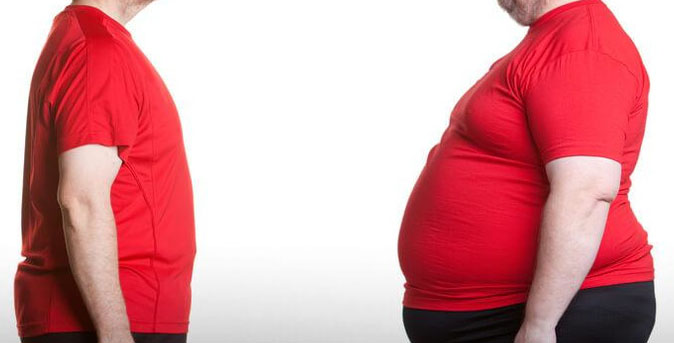
Insulin resistance (IR) is also known as impaired insulin sensitivity. This happens when cells in your muscles, brain and liver don't respond as they should to insulin. Insulin resistance can be temporary or chronic and is treatable, if you are willing to take the appropriate action. Normally, insulin acts as a key that allows glucose (sugar) from the bloodstream to enter cells for energy production or storage. In insulin resistance, higher-than-normal amounts of insulin are required to achieve the same glucose-lowering effect, leading to elevated insulin levels (hyperinsulinemia). Over time, the pancreas struggles to produce enough insulin to overcome this resistance, causing blood glucose levels to rise. Insulin resistance is considered the core underlying defect in the majority of type 2 diabetes cases and is a central feature of metabolic syndrome. It is strongly linked to visceral obesity (belly fat), physical inactivity, genetics, and chronic low-grade inflammation (pain).
Major Health Conditions Associated with Insulin Resistance
Type 2 diabetes
Prediabetes / impaired glucose tolerance
Metabolic syndrome - belly fat, high blood pressure, high triglycerides, low HDL
Polycystic ovary syndrome (PCOS) - Acne, irregular, absent or painful periods, weight gain, facial hair, thinning hair, difficulty getting pregnant.
Non-alcoholic fatty liver disease (NAFLD)
Cardiovascular disease (atherosclerotic heart disease, hypertension, dyslipidemia)
Obesity (especially central/visceral obesity)
Infertility - often associated with PCOS.
Hyperuricemia and gout
Increased risk of certain cancers (endometrial, breast, colon, liver)
Alzheimer’s disease and cognitive decline (“type 3 diabetes”)
Erectile dysfunction in men
Gestational diabetes (high blood sugar in pregnancy)
Auto-Immune conditions such as Rheumatoid Arthritis, Type 1 diabetes, Hashimoto’s Hypothyroidism, and Lupus.
Core habits to develop to recover from these health conditions:
Do as many of these as you can. The more the better and the quicker your recovery.
No snacking - eat only 2–3 distinct meals per day
Finish eating about 3 hours before bed (ideally 4–5 hours for even better autophagy (the body’s mechanism for cleaning up or recycling cellular and morning insulin sensitivity)
10–30 min light walk (or Nitric Oxide Dump) within 30–60 min after every meal
One 24-hour water fast (or at most bone-broth fast) per week. Green tea (unsweetened) is actually beneficial
Prioritize protein and fiber at every meal, carbs last → Start the meal with vegetables/protein/fat, save any starch (even freshly milled grains) for the end. This alone can lower post-meal glucose and insulin spikes 20–50 %. Therefore, always eat dessert and treats with fats and proteins eaten first. Look up the concept of “Fibermaxxing”.
Keep daily eating window 8–10 hours most days → Example: finish dinner by 6–7 pm, first meal next day 9–11 am. This is more powerful than the weekly 24 hour fast for most people with Insulin Resistance.
Nitric Oxide Dump or Daily muscle-loading exercise 3–4× per week (resistance training or body-weight) → Muscle is the #1 glucose metabolizer. 3 sets of squats, push-ups, rows, deadlifts or carrying heavy stuff 20–30 min is enough to dramatically reduce insulin resistance.
Sleep 7–9 hours and keep it consistent (±30 min) → Every hour of sleep debt raises insulin resistance ~10–15 % the next day.
Cold exposure 2–4 min most mornings (cold shower or face dunk in ice water). Burrrr! This activates brown fat and improves insulin sensitivity independently of weight loss.
Daily sunlight / circadian entrainment → 10–20 min morning outdoor light within 1 hour of waking + afternoon light → fixes peripheral internal locks in liver and muscle and lowers average glucose.
Take the herbal remedy: Insulin Control (for Insulin Resistance) or Hormone Harmony (for PCOS) ½ teaspoon in 1 oz water - swish in mouth for 10 seconds before swallowing. Do this 15-30 minutes before meals. Take this 2 to 3 times daily. (purchase from our office)
Vinegar or lemon juice in water 5–10 min before meals (1–2 tbsp apple-cider vinegar or juice of ½ lemon) → Reduces post-meal glucose ~20–30 % and improves muscle glucose uptake.
Specific spices/herbs at meals → Generous cinnamon (Ceylon), turmeric + fenugreek, ginger, and/or berberine-rich herbs. Use ½ teaspoon of our herbal supplement - Insulin Control or Hormone Harmony 15-30 minutes before meals
Electrolyte Replacement- Magnesium & potassium repletion → Most IR people are low. Continue your homemade LMNT brand -style mix, plus magnesium-rich foods (pumpkin seeds, spinach, avocado) and potassium-rich foods (beets, salmon, avocado, leafy greens).
Eliminate or extremely minimize highly processed refined oils (high Omega 6 oils - canola, corn, soy, etc.) and ultra-processed foods completely → Seed/Vegetable oils and hidden trans fats drive the inflammation that perpetuates IR far more than most people realise. Plastics are hormone disruptors - eliminate plastic food and beverage containers as best as possible. I know this is nearly impossible but understand this is an issue.
Eat a whole natural food diet. You’ve got to get the highly processed food and junk out.
Optional but extremely high-leverage upgrades
Replace one meal 3–4× week with a low-carb, green-protein smoothie (leafy greens, berries, protein powder or Greek yogurt, avocado, cinnamon, vinegar) — this will have massive nutrient density, very healthy insulin resistance response.
Occasional 36–48 h fast once a month (many people notice a “reset” in insulin sensitivity).
Sauna 20–30 min 2–3× week if you have access (mimics moderate exercise for HSPs and glucose uptake).
Therapeutic massage can also be used to lower stress and muscle tension.

Check out our Youtube Channel
How to make Apple Cider Vinegar
How to Make Sauerkraut
Introduction to Cold Laser Therapy
Cold Laser Acupuncture Treatment
Healing @ Home: Allergy Elimination
Releasing Trapped Emotions
Intro to Muscle Testing
How to Dry and Revive Your Sourdough
Get In Touch
Email: kylesinthegarden@gmail.com
Address: 1172 E 100 N #12, Payson, UT 84651
Hours: Mon – Thur | 9:00am – 5:00pm
Phone Number: (801) 360-0749
Join Our News Letter